


Hard Water: Causes, Effects, and Solutions for Your Tile and Grout
If you’ve ever noticed stubborn mineral deposits on your tile and grout or experienced a cloudy, chalky residue building up on your surfaces, chances are you’re dealing with hard water. Hard water is a common issue in many households, and while it may seem harmless at first, it can have significant long-term effects on your home’s surfaces, especially tiles and grout. In this blog, we’ll break down what hard water is, how it affects your grout and tiles, and most importantly, how you can solve the problem.
What is Hard Water?
Hard water is simply water that contains high levels of minerals—specifically calcium and magnesium. These minerals are naturally found in the environment and can seep into your water supply as it passes through rocks and soil. While hard water isn’t harmful to your health, it can wreak havoc on your home’s plumbing, appliances, and surfaces.
When hard water evaporates, it leaves behind mineral deposits, often referred to as “lime scale” or “hard water stains.” Over time, these deposits can build up and cause visible damage to your grout and tile surfaces.
How Hard Water Affects Tile and Grout
While hard water affects many parts of your home, it has some particularly noticeable effects on your tile and grout. Here’s how:
Cloudy, Streaky Build-up on Tiles
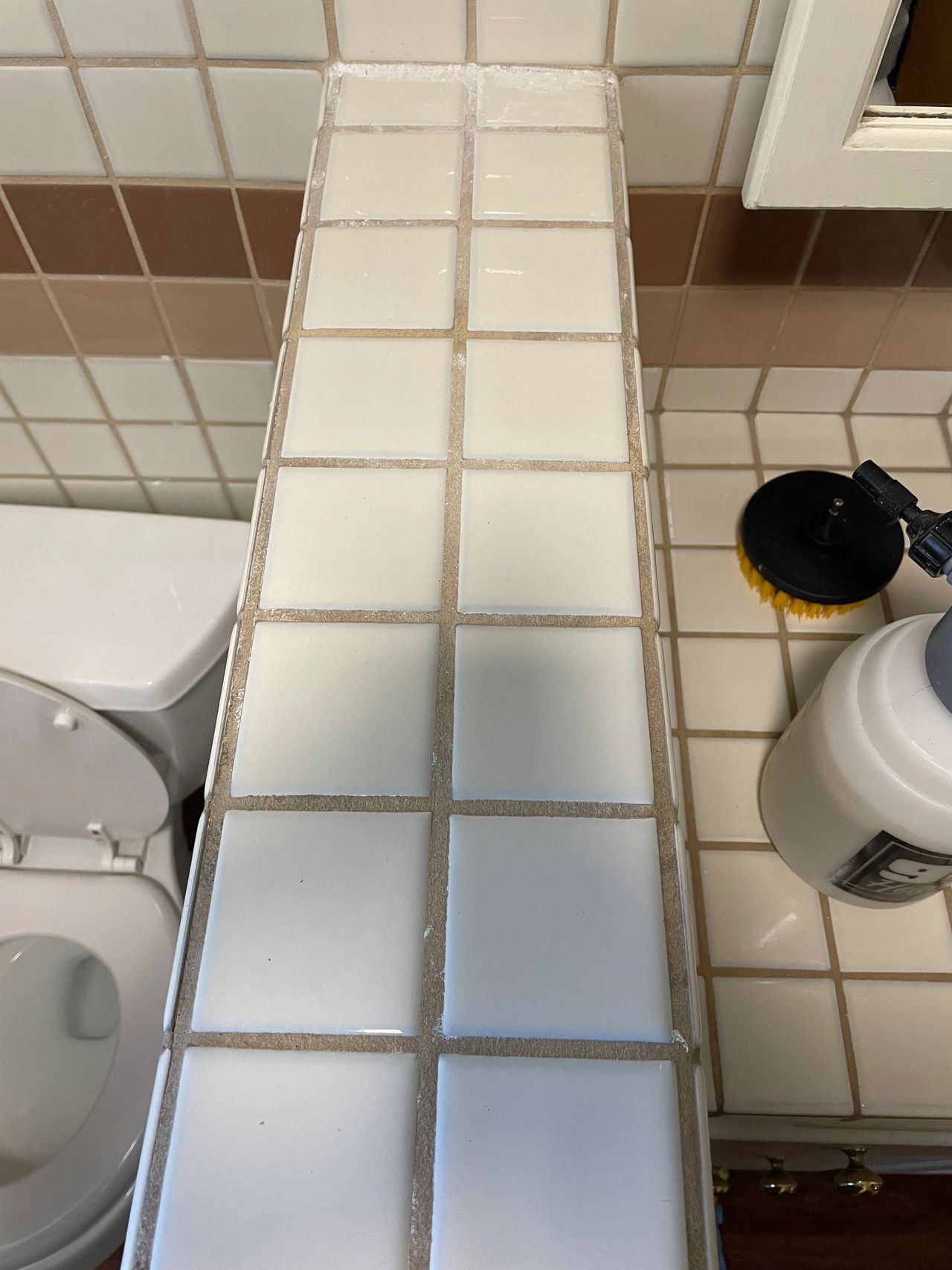
One of the most obvious signs of hard water is the buildup of white, cloudy stains on your tiles. These stains are often caused by calcium and magnesium minerals that have been left behind after water evaporates. This residue can be especially noticeable on glass shower doors, bathroom tiles, and kitchen backsplashes, giving surfaces a dull and grimy appearance.
The build-up can be difficult to remove with regular cleaning products, and over time, it may even become permanent if left untreated.
Stains and Discoloration on Grout
Grout, being porous, is highly susceptible to absorbing the minerals from hard water. This can lead to unsightly staining and discoloration, particularly in high-moisture areas like bathrooms and kitchens. The minerals from hard water can cause grout to turn from its original color (often a light beige or white) to an unsightly yellowish or brownish hue.
This discoloration is often stubborn, and regular scrubbing may not be enough to restore your grout’s original color. As the minerals build up, they can also cause the grout to weaken and crack, leading to further damage.
Dulling of Tile Surfaces
The minerals in hard water don’t just affect the grout—they can also dull the finish of your tiles. For example, ceramic, porcelain, and natural stone tiles may lose their shine over time due to the constant exposure to mineral deposits. The minerals can etch into the surface, leading to a worn, matte appearance that diminishes the aesthetic of your floors or walls.
In the case of natural stone, like marble or limestone, hard water can cause staining that is difficult, if not impossible, to remove without professional intervention.
Long-Term Effects of Hard Water on Your Home
If left unaddressed, the long-term effects of hard water on tile and grout can be serious:
• Increased Maintenance Costs: As
minerals build up on your tiles and grout, you’ll need to invest more time and energy in cleaning or even replacing these surfaces.
• Weakened Grout: Prolonged exposure to hard water can lead to grout degradation, which may cause cracks or even mold growth in the gaps between tiles.
• Corroded Plumbing and Appliances: Although this isn’t directly related to tiles and grout, hard water can cause mineral buildup in your plumbing pipes and appliances, leading to clogs, reduced water pressure, and even expensive repairs or replacements.
Solutions for Hard Water Issues
While hard water is a common problem, there are several ways to reduce its effects on your home’s tile and grout. Here’s what you can do:
Install a Water Softener
The most effective long-term solution for hard water problems is to install a water softener in your home. A water softener works by removing the minerals (calcium and magnesium) from your water, preventing them from depositing on your tiles and grout. Softened water will reduce mineral buildup and protect your home’s surfaces, plumbing, and appliances.
Seal Your Grout
One of the best ways to prevent grout from absorbing hard water minerals is to seal it. A high-quality grout sealant creates a barrier that helps protect the grout from stains, moisture, and mineral buildup. This can make it easier to clean your grout and prevent discoloration from occurring in the first place.
If you already have hard water stains, sealing your grout after cleaning can help to make future maintenance easier and reduce the buildup of minerals.
Regular Professional Grout and Tile Cleaning
If hard water stains are already a problem, or if you’re concerned about damage to your tiles and grout, it’s a good idea to call in the professionals. A professional tile and grout cleaning service has the tools and expertise to remove even the most stubborn hard water stains without damaging your surfaces. Steam cleaning, in particular, is a safe and effective option for removing mineral deposits and disinfecting grout lines.
Conclusion
Hard water is a common, but often overlooked, problem that can have serious consequences for your tile and grout. Over time, the mineral deposits left behind by hard water can cause stains, discoloration, and even surface damage. However, by installing a water softener, sealing your grout, and using the right cleaning methods, you can reduce the effects of hard water and keep your tile and grout looking fresh for years to come.
Regular maintenance and proper care are key to preventing hard water from causing lasting damage to your home’s surfaces. So, if you notice those cloudy streaks or stubborn stains, take action before the problem worsens! Your tiles—and your home—will thank you.
Best regards!
-Matthew Weber
Pureflo Home Solutions